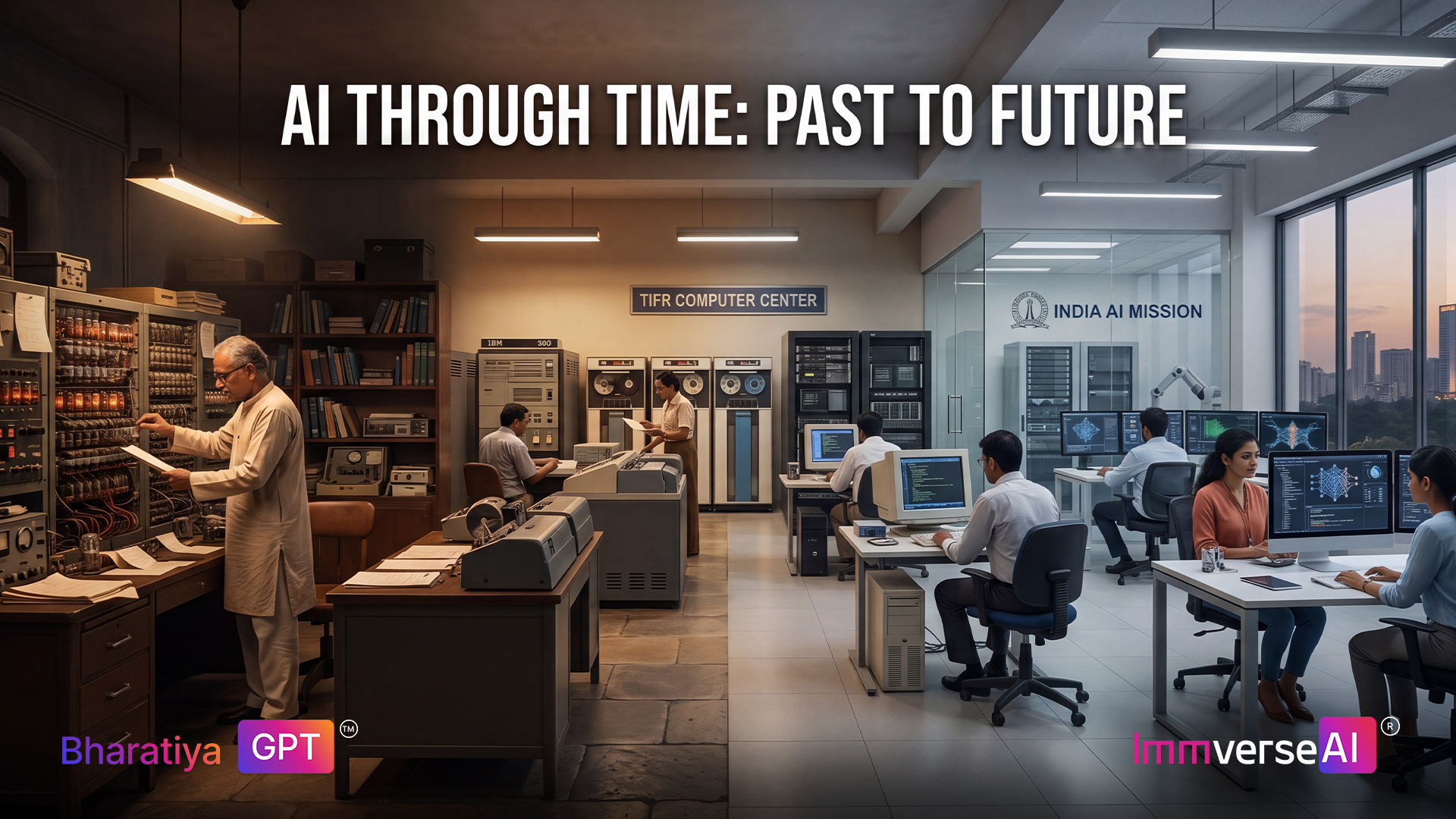

Artificial Intelligence (AI) has come a long way from its early days, quietly shaping the way we live and work. From the apps on your phone to complex industrial systems, AI is now deeply embedded in our daily lives. But this journey didn’t start with the advanced systems we see today—it began with much simpler concepts.
The Early Days of AI
In its earliest form, AI was designed
to excel at specific tasks. This type of AI, called Artificial Narrow Intelligence (ANI), focused on doing one thing really well—like playing chess, recommending movies, or filtering out spam emails. ANI is everywhere now, and it quietly runs much of the technology we use without us even noticing. However, its abilities are limited to the task it's built for.
AI That Can Think Like Us
The next stage in AI development is something called Artificial General Intelligence (AGI). Unlike ANI, AGI aims to understand, learn, and apply knowledge across a range of tasks, much like a human can. Scientists are working toward this goal, but AGI is still on the horizon.
Beyond AGI is the concept of Artificial Superintelligence (ASI)—AI that could surpass human intelligence. While still theoretical, ASI represents the ultimate goal in AI research, where machines could solve complex problems far beyond human capabilities.
How AI is Transforming the Present
AI is already transforming industries in ways that were once thought impossible. Autonomous vehicles are becoming a reality, helping to reduce accidents and make transportation more efficient. In healthcare, AI systems are assisting doctors with diagnoses and treatment plans, improving patient outcomes. Robots powered by AI are being used in manufacturing, making production faster and more precise.
Today AI isn’t limited to just one field. It’s used in agriculture to optimize crop yields, in finance to detect fraud, and even in entertainment to create personalized experiences. Its applications are vast and continue to grow.
Addressing the Challenges: Ethics and AI
As AI becomes more powerful, it raises important questions about fairness, privacy, and transparency. There have been concerns about AI systems being biased or making decisions that are difficult to understand. Governments and organizations are now working on regulations to ensure AI is developed responsibly and benefits everyone.
Building ethical AI means creating systems that are fair, accountable, and secure. It’s an ongoing challenge, but one that needs to be addressed as AI continues to evolve.
The Future of AI: What’s Next?
The future of AI holds immense potential. It could lead to smarter cities, where traffic flows smoothly, energy is used efficiently, and public services are more responsive. AI could help in tackling global challenges like climate change, poverty, and access to healthcare.
In the coming years, AI will likely become even more integrated into our lives, from our homes to our workplaces. With advances in Quantum Computing, AI’s processing power could grow exponentially, unlocking solutions to problems we can’t yet solve.
Conclusion: Shaping the Future with AI
AI has already transformed the way we live, and its potential is far from being fully realized. As we move forward, it’s crucial that we focus not only on what AI can do but on how we can build it responsibly. The choices we make today will shape the AI of tomorrow, impacting industries, societies, and individuals across the globe.
The journey of AI has only just begun, and the future is full of possibilities.
.png)
.png)
.png)