
A Temple That Casts No Shadow
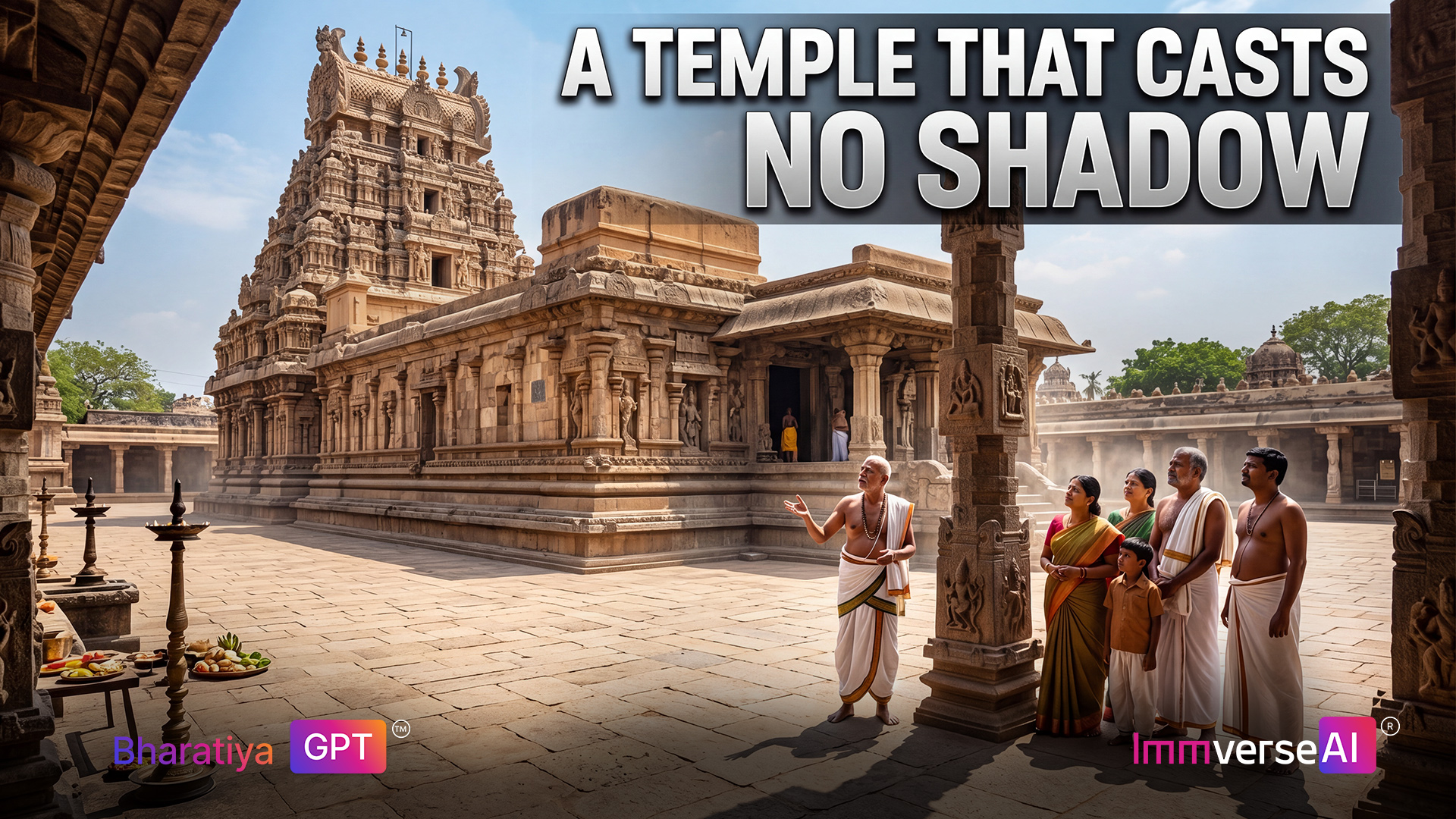
Did you know that the Brihadeeswara Temple in Thanjavur, Tamil Nadu, is an architectural wonder that casts no shadow on the ground despite its towering height? This astonishing fact sets the temple apart and showcases the incredible craftsmanship and engineering skills of our ancestors. Constructed between 1003 and 1010 CE under the reign of the Chola emperor Rajaraja Chola I, the temple stands as a monumental tribute to devotion and artistry.
Architectural Marvel: The Shadow Mystery and Golden Ratio
One of the most remarkable features of this temple is its ability to avoid casting a shadow. This unique architectural design results from a careful arrangement of stones that prevents any shadow from falling on the ground. An intriguing anecdote recounts how, upon the temple's completion, the chief architect boldly declared, “Its shadow will never fall on the ground”. Today, this claim continues to astonish visitors and architects alike, drawing attention to the innovative thinking of the builders.
The temple’s beauty transcends mere aesthetics; it is also deeply rooted in mathematical precision. The builders employed the ‘Golden Ratio,’ a mathematical proportion associated with beauty and symmetry. This ratio can be observed in various aspects of the temple, from the layout of the sanctum to the Nandi mandapam, creating a visually stunning and balanced effect. Such careful consideration of proportions and geometry illustrates the advanced understanding of mathematics that ancient Bharatiye architects possessed, contributing to the temple's enduring allure.
Don’t miss our AI powered video on Brihadeeswara Temple to witness its architectural wonders come to life
A Symbol of Divinity: The Grand Lingam
At the heart of the temple lies a massive 20-ton lingam, carved from a single granite block. This extraordinary structure is not only one of the largest lingams in India but also serves as a powerful symbol of Lord Shiva’s divine energy. The grandeur and spiritual significance of the lingam attract thousands of devotees and visitors from around the world, further solidifying the temple’s status as a vital center of worship.
The intricacy of the lingam's design reflects the artistic skills of the time, embodying the essence of devotion and reverence. Visitors often find themselves drawn to this sacred space, experiencing a profound sense of connection to the divine. The temple’s ambiance, combined with the immense size of the lingam, creates a spiritually uplifting experience that resonates with individuals from various walks of life.
Rich Heritage: Medical Knowledge and Hidden Passageways
The inscriptions on the temple walls provide additional layers of historical significance. These writings detail various treatments, surgical methods, and the balance of physical and mental health, showcasing the advanced medical knowledge that existed in ancient India. This ancient wisdom, preserved in stone, reveals a civilization that valued health and well-being.
Moreover, the temple complex features over 100 secret underground passageways that connect the palace of Rajaraja Chola I to other significant locations. These passageways were utilized for security purposes, allowing the royal family to move discreetly during festivals and important events. The existence of these hidden routes adds another layer of intrigue to the temple's history, revealing the strategic planning that went into its design.
An Acoustic Wonder: Engaging the Senses
Acoustic properties within the temple present yet another fascinating aspect. Certain areas exhibit unique sound phenomena; for instance, striking two statues of Ganesha near the sanctum produces different sounds. This remarkable feature highlights the architect's attention to detail and understanding of acoustics.
The interplay of sound and silence enhances the spiritual atmosphere, making it an engaging experience for all who visit. The temple is not just a visual marvel; it invites exploration and discovery, creating an immersive environment that captivates the senses.
Conclusion
In conclusion, Brihadeeswarar Temple is far more than just a religious site; it stands as a testament to the grandeur of ancient Indian architecture, engineering, and artistry. This monument symbolizes the creativity, vision, and hard work of our ancestors. It serves as a powerful reminder that there are no limits to human potential. Through imagination and determination, extraordinary achievements can be realized.
If you ever have the chance to visit this magnificent temple, be prepared to be captivated by its unique mysteries and astonishing facts. The Brihadeeswara Temple is not just a destination; it offers a profound journey into the heart of Bharat's rich cultural heritage and architectural brilliance. Whether you are a history enthusiast, an art lover, or someone seeking spiritual solace, this temple has something invaluable to offer everyone.
.png)
.png)
.png)