
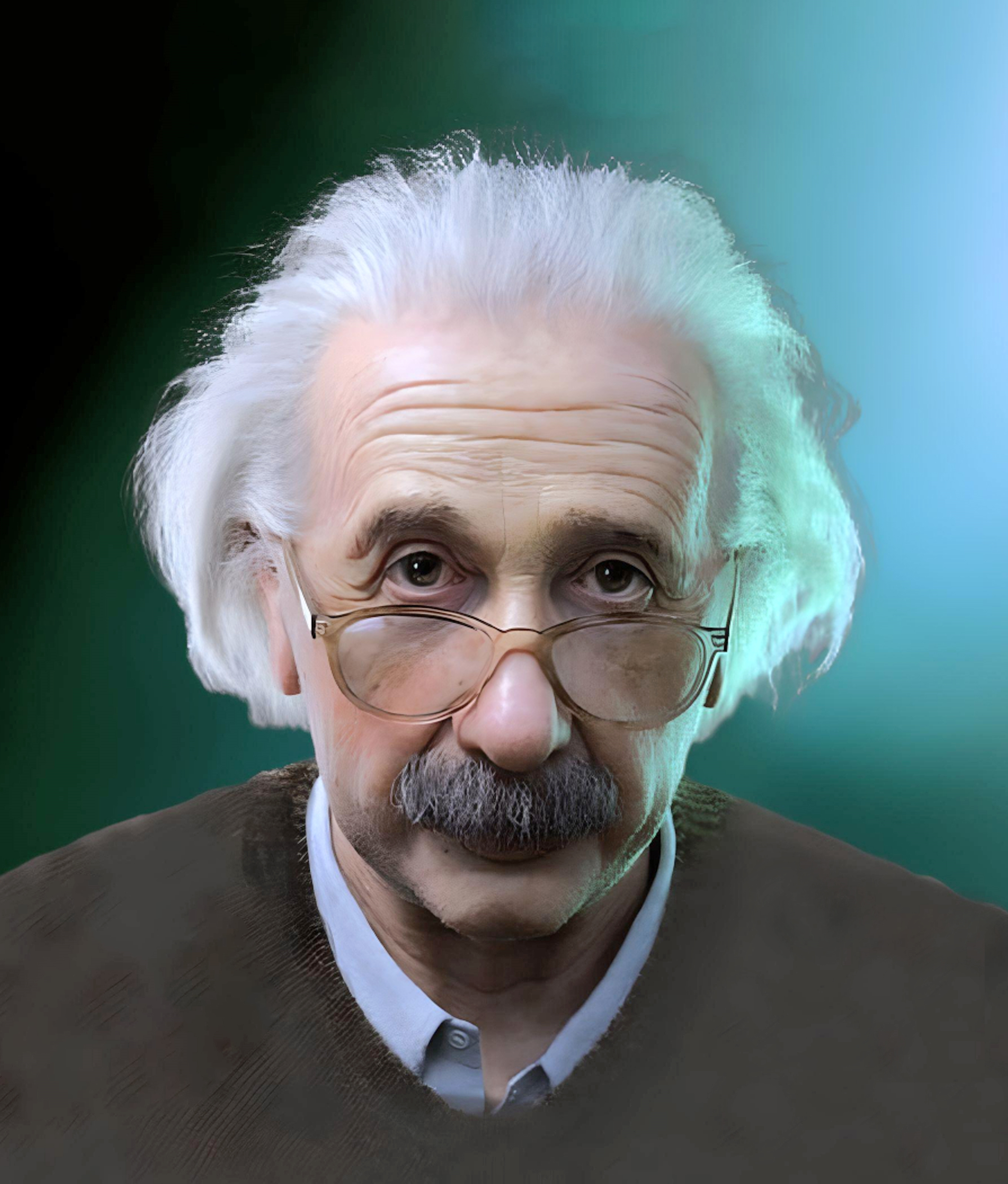
In the annals of innovation, few names shine as brightly as Thomas Alva Edison. Often referred to as the ‘Wizard of Menlo Park’, Edison was a prolific inventor whose creations transformed the way we live, work, and communicate. But before he illuminated the world with electric light and recorded sound, he was just a curious boy in a small village. In this blog, we’ll explore Edison's early life, tracing his path from a curious child to a groundbreaking inventor, and highlighting the experiences that shaped his remarkable journey.
A Curious Child in Milan, Ohio
Born on February 11, 1847, in Milan, Ohio, Thomas Edison was the youngest of seven siblings. From a young age, he exhibited an insatiable curiosity. He often dismantled household items just to understand how they worked. Edison’s inquisitive nature was matched only by his desire to learn. Thomas Edison's education was short-lived; he attended school for only a few months before his mother decided to homeschool him d`1ue to his restless spirit.
This early quest for exploration and experimentation laid the foundation for Edison’s future. He often recounted how curiosity is the mother of invention, and this mindset would guide him throughout his life.
The Newsboy Entrepreneur
At just 12 years old, Edison took on a job as a newsboy on the Grand Trunk Railroad. This position not only provided him with some pocket money but also allowed him to travel between towns, soaking in new experiences. It was during these travels that Edison discovered the world of business. He learned the value of hard work and began to see the potential of entrepreneurial ventures.
Realizing that he could create his own news, Edison partnered with friends to launch the ‘Grand Trunk Herald’, a small newspaper venture. This venture was pivotal; it taught him about printing, publishing, and the importance of communication. This early entrepreneurial spirit foreshadowed his later successes in business and innovation.
A Fortuitous Turn: The Telegraph
Edison’s life took a significant turn when he saved a young girl from a runaway train. Her grateful father, the station master, offered to teach him the art of telegraphy. This opportunity was a turning point for the Young Thomas Edison. He quickly became adept at sending and receiving messages, which led him to his first job as a telegraph operator.
Working in telegraphy exposed Edison to the world of electrical communication, igniting a passion for invention. He began to experiment with telegraph equipment, further honing his skills. The combination of his early entrepreneurial experiences and newfound knowledge in telegraphy set the stage for his future innovations.
Learning from Failures
As Edison’s career progressed, he encountered numerous challenges. He famously said, “I have not failed. I’ve just found 10,000 ways that won’t work.” This mantra encapsulated his attitude toward failure. One of his early inventions, an electronic voting machine, was intended to streamline the voting process. However, it was met with resistance because it eliminated the potential for vote manipulation. Although this invention didn’t succeed commercially, it demonstrated Edison’s willingness to tackle complex problems head-on.
Another notable failure was the electric pen he developed, designed to eliminate the need for ink. While innovative, it did not achieve widespread acceptance. However, these setbacks did not deter Edison; instead, they fueled his determination to innovate further.
The Light Bulb: A Game-Changer
Perhaps the most iconic of Edison’s inventions is the incandescent light bulb. Between 1878 and 1880, Edison and his team conducted thousands of experiments to create a practical and long-lasting electric light. They tested various materials for filaments, including platinum, carbon, and even human hair, before finally discovering that carbonized bamboo would produce a stable glow.
On October 21, 1879, Edison successfully demonstrated his incandescent light bulb, illuminating a dark room for over 13 hours. This invention revolutionized the world, ushering in the age of electric lighting and changing how people lived and worked. The light bulb became a symbol of innovation, and its success catapulted Edison to fame.
The Legacy of Innovation
Edison’s entrepreneurial spirit did not stop with the light bulb. In 1880, he founded the Edison Electric Light Company, which would eventually evolve into General Electric, one of the largest and most influential companies in the world today. His innovations extended beyond electricity; he developed the phonograph, which could record and reproduce sound, and contributed significantly to the motion picture industry.
Edison’s ability to transform ideas into viable businesses demonstrated that invention and entrepreneurship go hand in hand. He understood that sharing innovations with the world was just as crucial as the inventions themselves.
Conclusion
Thomas Edison’s journey from a curious child in Milan, Ohio, to one of the most influential inventors in history is a testament to the power of curiosity, perseverance, and resilience. His early experiences shaped his innovative spirit, leading him to create inventions that transformed society. Today, as we continue to push the boundaries of technology and innovation, we can draw inspiration from Edison’s life and remember that every great invention begins with a spark of curiosity.
So, whether you’re a budding inventor or simply someone passionate about learning, embrace your curiosity. Who knows what remarkable innovations lie ahead?
.png)
.png)
.png)