
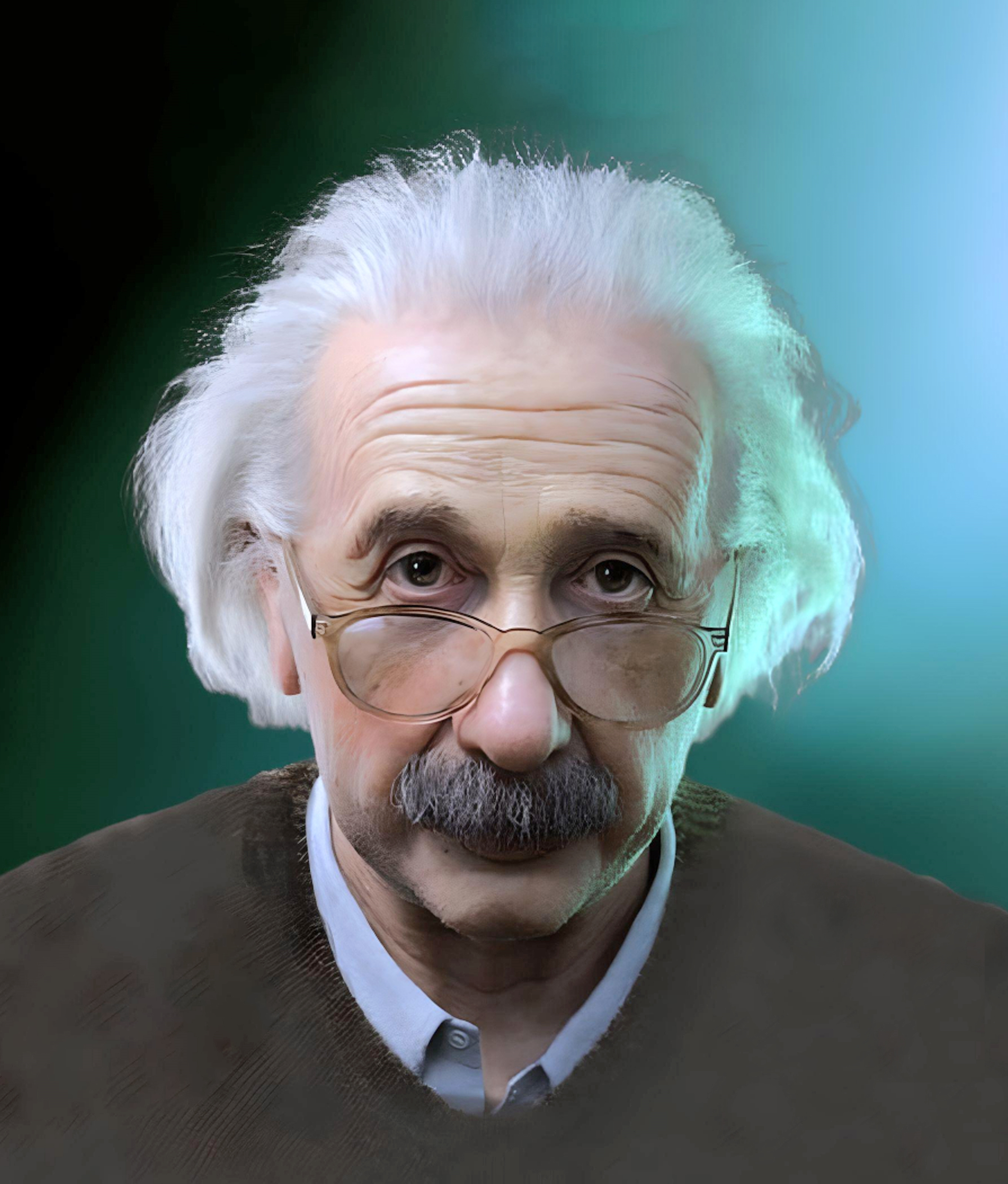
Sushruta Samhita is one of the oldest and most important medical texts in the history of Ayurveda and the Indian Knowledge System (IKS). Written by the ancient Indian physician Maharshi Sushruta, this classical work explains early concepts of surgery, medicine, anatomy, and preventive healthcare. Because of its detailed knowledge of surgical science, Sushruta is often called the Father of Surgery.
This ancient text shows how advanced medical knowledge existed in India thousands of years ago and continues to inspire modern healthcare practices.
Origin and Historical Background
Sushruta Samhita is believed to have been composed around 600 BCE. It was written in Sanskrit and became a foundational text for Ayurvedic education. The knowledge in this text was passed down through generations of teachers and students, forming an essential part of traditional medical learning in India.
What Does Sushruta Samhita Explain?
1. Ancient Surgical Science
One of the most important aspects of Sushruta Samhita is its detailed explanation of surgical procedures. The text describes hundreds of surgeries, including treatments for wounds, fractures, and eye diseases like cataracts. It also explains early forms of plastic and reconstructive surgery, showing the advanced medical skills of ancient India.
2. Understanding Human Anatomy
The text emphasizes the importance of studying the human body structure before performing medical treatment. It explains organs, tissues, bones, and vital points, highlighting the scientific approach used by ancient physicians.
3. Herbal Medicine and Natural Healing
Sushruta Samhita also focuses on the use of herbs, diet, and natural therapies to treat diseases. This holistic approach aligns with the core principles of Ayurveda, which aim to maintain balance in the body and mind.
4. Preventive Healthcare and Lifestyle
The text highlights the importance of daily routines, hygiene, and balanced living. It teaches that prevention is better than cure, a concept that remains relevant in modern health and wellness practices.
5. Medical Ethics and Training
Sushruta Samhita provides guidance on ethical medical practice. It emphasizes discipline, compassion, and continuous learning for physicians, making it not just a medical text but also a guide for professional conduct.
Why is the Sushruta Samhita Important Today?
Even in the modern era, Sushruta Samhita is studied for its contributions to medical science, surgery, and holistic health. It represents India’s rich scientific heritage and demonstrates how traditional knowledge can complement contemporary medicine.
Understanding this text helps us appreciate the depth of ancient Indian wisdom and its relevance in today’s global healthcare discussions.
Conclusion
Sushruta Samhita is more than an ancient Ayurvedic book; it is a landmark in the history of medicine. Its teachings on surgery, anatomy, lifestyle, and ethics continue to inspire modern medical thinking. Exploring such texts strengthens awareness about India’s knowledge traditions and their role in shaping the future of healthcare. Today, platforms like BharatiyaGPT are helping make such timeless Indian knowledge more accessible by transforming ancient wisdom into AI-driven, interactive learning for future generations.
.png)
.png)
.png)